Buy discounter-online.com ?
We are moving the project
discounter-online.com .
Are you interested in purchasing the domain
discounter-online.com ?
domain@kv-gmbh.de · 0541-91531010
Buy discounter-online.com ?
What is interphase in biology?
Interphase is the longest phase of the cell cycle, during which the cell grows, carries out its normal functions, and prepares for cell division. It is divided into three stages: G1 (gap 1), S (synthesis), and G2 (gap 2). During G1, the cell grows and carries out its normal functions. In the S phase, the cell replicates its DNA. Finally, in G2, the cell continues to grow and prepares for cell division. Interphase is crucial for ensuring that the cell is ready to divide and that its genetic material is properly replicated. **
When does the interphase follow mitosis?
Interphase follows mitosis in the cell cycle. After a cell completes mitosis, it enters interphase, which is the phase where the cell grows, carries out normal functions, and prepares for the next round of cell division. During interphase, the cell undergoes DNA replication in preparation for the next mitotic division. This phase is crucial for the cell to replenish its resources and ensure proper functioning before entering mitosis again. **

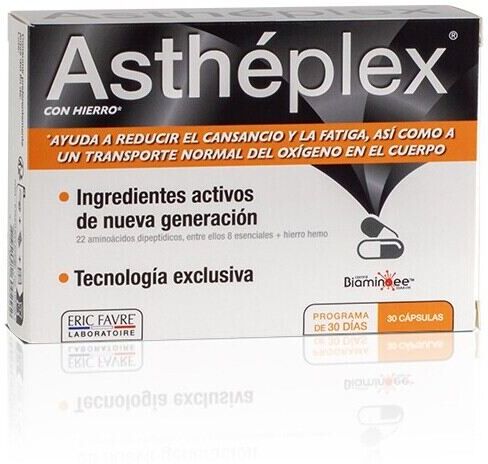
Similar search terms for Interphase
Top-Angebote
Products related to Interphase:
-
E'lifexir Essential Cinnamon Skin Savings PackageNutrition and Supplements Special supplements E'lifexir Essential Cinnamon Skin Savings Package Nutricosmetic sunscreen to protect skin and eyes. Nutritional complement that prepares the skin for exposure to the sun, promotes a more intense and long-lasting tan and strengthens the skin's defences. Provides antioxidant properties and protects the skin from UV radiation. Results: - Uniform and luminous tan - Eye protection - More elastic and protected skin How to use: Take one capsule a day.33,31 £*Shipping: 3,99 £Secure redirect to the provider
-
Scholastic Bargain Book Box Grades K-1 (100 Books)A box of books at the best price! Take advantage of inventory conditions that leave some of our books without a permanent home. The list of titles in this collection will change depending on availability. A super way to save money and send every...235,00 $*Shipping: 0,00 $Secure redirect to the provider




-
What comes first, mitosis or interphase?
Interphase comes before mitosis. Interphase is the phase of the cell cycle during which the cell grows, carries out its normal functions, and replicates its DNA in preparation for cell division. Mitosis is the process of cell division that occurs after interphase, during which the replicated DNA is separated into two identical sets of chromosomes, and the cell divides into two daughter cells. **
-
Why does interphase last longer than mitosis?
Interphase is the longest phase of the cell cycle because it involves the cell growing, carrying out its normal functions, and replicating its DNA in preparation for cell division. This phase is crucial for ensuring that the cell has enough time to grow and duplicate its genetic material accurately before entering mitosis. In contrast, mitosis is a relatively short phase that involves the actual division of the cell's nucleus and cytoplasm into two daughter cells. **
-
Why does the interphase last longer than mitosis?
Interphase lasts longer than mitosis because it is a period of growth and preparation for cell division. During interphase, the cell grows, duplicates its organelles, and replicates its DNA in preparation for division. This process takes time and is necessary for the cell to ensure that it is ready for mitosis. In contrast, mitosis itself is a relatively short process in which the duplicated DNA is divided into two daughter cells. Therefore, interphase is a longer phase in the cell cycle to allow for the necessary growth and preparation for division. **
-
What does a tetraploid chromosome set mean in interphase?
A tetraploid chromosome set in interphase means that the cell contains four sets of chromosomes, instead of the usual two sets found in diploid cells. This can result from errors in cell division processes, leading to an abnormal number of chromosomes. Having a tetraploid chromosome set can impact cell function and may lead to genetic instability or cell death. **


What is the difference between interphase in meiosis and mitosis?
Interphase in meiosis and mitosis are similar in that they both involve cell growth and DNA replication. However, the key difference lies in the outcome of the process. In meiosis, interphase is followed by two rounds of cell division, resulting in the formation of four genetically unique haploid cells. In contrast, mitosis only involves one round of cell division, resulting in the formation of two genetically identical diploid cells. **
What is the difference between the interphase in meiosis and mitosis?
The main difference between the interphase in meiosis and mitosis is that in meiosis, there are two rounds of division (meiosis I and meiosis II), while in mitosis, there is only one round of division. Additionally, during interphase in meiosis, the cell undergoes DNA replication just like in mitosis, but in meiosis, the homologous chromosomes pair up during prophase I, a unique step that does not occur in mitosis. This pairing allows for genetic recombination and crossing over to occur, leading to genetic diversity in the resulting daughter cells. **
Top-Angebote
Products related to Interphase:
-
Arkwright Home Admiral Bath Towels - Economical White Cotton/Poly Blend - 12 PackOur foundational institutional towel collection, the Admiral, is a value line of bath towels, bath mats, and pool towels made with an 86/14 cotton/polyester blend yarn.119,99 $*Shipping: 0,00 $Secure redirect to the provider
-
E'lifexir Essential Cinnamon Skin Savings PackageNutrition and Supplements Special supplements E'lifexir Essential Cinnamon Skin Savings Package Nutricosmetic sunscreen to protect skin and eyes. Nutritional complement that prepares the skin for exposure to the sun, promotes a more intense and long-lasting tan and strengthens the skin's defences. Provides antioxidant properties and protects the skin from UV radiation. Results: - Uniform and luminous tan - Eye protection - More elastic and protected skin How to use: Take one capsule a day.33,31 £*Shipping: 3,99 £Secure redirect to the provider
-
What is interphase in biology?
Interphase is the longest phase of the cell cycle, during which the cell grows, carries out its normal functions, and prepares for cell division. It is divided into three stages: G1 (gap 1), S (synthesis), and G2 (gap 2). During G1, the cell grows and carries out its normal functions. In the S phase, the cell replicates its DNA. Finally, in G2, the cell continues to grow and prepares for cell division. Interphase is crucial for ensuring that the cell is ready to divide and that its genetic material is properly replicated. **
-
When does the interphase follow mitosis?
Interphase follows mitosis in the cell cycle. After a cell completes mitosis, it enters interphase, which is the phase where the cell grows, carries out normal functions, and prepares for the next round of cell division. During interphase, the cell undergoes DNA replication in preparation for the next mitotic division. This phase is crucial for the cell to replenish its resources and ensure proper functioning before entering mitosis again. **
-
What comes first, mitosis or interphase?
Interphase comes before mitosis. Interphase is the phase of the cell cycle during which the cell grows, carries out its normal functions, and replicates its DNA in preparation for cell division. Mitosis is the process of cell division that occurs after interphase, during which the replicated DNA is separated into two identical sets of chromosomes, and the cell divides into two daughter cells. **
-
Why does interphase last longer than mitosis?
Interphase is the longest phase of the cell cycle because it involves the cell growing, carrying out its normal functions, and replicating its DNA in preparation for cell division. This phase is crucial for ensuring that the cell has enough time to grow and duplicate its genetic material accurately before entering mitosis. In contrast, mitosis is a relatively short phase that involves the actual division of the cell's nucleus and cytoplasm into two daughter cells. **
Similar search terms for Interphase
-
Scholastic Bargain Book Box Grades K-1 (100 Books)A box of books at the best price! Take advantage of inventory conditions that leave some of our books without a permanent home. The list of titles in this collection will change depending on availability. A super way to save money and send every...235,00 $*Shipping: 0,00 $Secure redirect to the provider
-
The Rose Bargain Series 2 Books Collection Set by Sasha Peyton Smith - FictionTitles in This Set:. The Rose Bargain. The Thorn Queen[Hardcover]. Condition:BRAND NEW. Format:Mixedlot. ISBN:9789124022310. Overview:. The Rose Bargain Series brings two immersive romantasy novels from Sasha Peyton Smith into one irresistible collection. The Rose Bargain (Book 1) ladles readers into a London of velvet balls, dangerous bargains, and fae-driven intrigue. Set in 1848, England is ruled by an immortal fae queen who grants one chance to bargain for a deepest desire. Ivy Benton signs her name in blood to enter a competition for Prince Bram’s hand, navigating society’s expectations, rivalries, and a dangerous attraction to Bram’s enigmatic brother, Emmett. The blend of lush, historically tinged detail with magical politics and razor-sharp romance creates a page-turning experience for fans of romantasy and YA fantasy. The Thorn Queen (Book 2) continues the journey, widening the world and heightening the danger while preserving the distinctive voice that defined the first title. Together, this two-book collection offers a complete reading arc in one premium package—perfect for readers who crave sweeping romance, clever world-building, and a touch of enchantment in their fiction.. What Makes This Collection Special:. This two-book set is built for readers who want a full romantasy journey without juggling multiple volumes. Both titles share a lyrical, period-rooted atmosphere and a London-bright backdrop where courtly intrigue meets magical bargains. The Rose Bargain introduces a heroically witty heroine navigating debut season and dangerous love triangles; The Thorn Queen deepens the magic, politics, and emotional stakes, delivering a satisfying arc in a single, collectible package. For gift buyers and collectors, the matched design and cohesive tone provide instant shelf appeal and a ready-made reading stack for weekend binge sessions. Sasha Peyton Smith’s distinctive voice, backed by her status as a New York Times bestselling author, anchors an escapist fantasy with emotional honesty, making this set feel premium, complete, and highly desirable.. Books Included in This Collection:. The Rose Bargain. The Rose Bargain sweeps readers into a glittering, perilous London of 1848 where ambition and desire collide. Ivy Benton is poised for debut season, a heroine whose wit and resolve drive her through a web of social pressure, rivalries, and risk-taking romance. The tale pivots around a perilous bargain at the heart of the fae-ruled court, weaving political tension with intimate moments that sting and then soothe. Smith’s voice blends lush historical texture with modern sensitivity, delivering a romance that feels both relatable and fantastical, with vivid characters and an atmosphere that lingers long after the final page.. The Thorn Queen. The Thorn Queen is the companion title in this two-book collection, continuing the romantasy journey with the same lush setting and heightened stakes. Details of the plot aren’t listed here, but readers...18,99 £*Shipping: 2,99 £Secure redirect to the provider
-
Bargain Houses Calder Heavy Duty Clear Plastic Carpet Protector Rectangle 68 x 762cmIdeal for year-round domestic or commercial use, ideal for the protection of high traffic areas of carpet, also suitable for lining car boots. Made from 100% vinyl this mat is waterproof, rot-proof and easy to clean. Brand Name: Bargain Houses. Mat Size: Rectangle 68 x 762cm44,99 £*Shipping: 4,99 £Secure redirect to the provider
-
Why does the interphase last longer than mitosis?
Interphase lasts longer than mitosis because it is a period of growth and preparation for cell division. During interphase, the cell grows, duplicates its organelles, and replicates its DNA in preparation for division. This process takes time and is necessary for the cell to ensure that it is ready for mitosis. In contrast, mitosis itself is a relatively short process in which the duplicated DNA is divided into two daughter cells. Therefore, interphase is a longer phase in the cell cycle to allow for the necessary growth and preparation for division. **
-
What does a tetraploid chromosome set mean in interphase?
A tetraploid chromosome set in interphase means that the cell contains four sets of chromosomes, instead of the usual two sets found in diploid cells. This can result from errors in cell division processes, leading to an abnormal number of chromosomes. Having a tetraploid chromosome set can impact cell function and may lead to genetic instability or cell death. **
-
What is the difference between interphase in meiosis and mitosis?
Interphase in meiosis and mitosis are similar in that they both involve cell growth and DNA replication. However, the key difference lies in the outcome of the process. In meiosis, interphase is followed by two rounds of cell division, resulting in the formation of four genetically unique haploid cells. In contrast, mitosis only involves one round of cell division, resulting in the formation of two genetically identical diploid cells. **
-
What is the difference between the interphase in meiosis and mitosis?
The main difference between the interphase in meiosis and mitosis is that in meiosis, there are two rounds of division (meiosis I and meiosis II), while in mitosis, there is only one round of division. Additionally, during interphase in meiosis, the cell undergoes DNA replication just like in mitosis, but in meiosis, the homologous chromosomes pair up during prophase I, a unique step that does not occur in mitosis. This pairing allows for genetic recombination and crossing over to occur, leading to genetic diversity in the resulting daughter cells. **
* All prices are inclusive of VAT and, if applicable, plus shipping costs. The offer information is based on the details provided by the respective shop and is updated through automated processes. Real-time updates do not occur, so deviations can occur in individual cases. ** Note: Parts of this content were created by AI.