Buy discounter-online.com ?
We are moving the project
discounter-online.com .
Are you interested in purchasing the domain
discounter-online.com ?
domain@kv-gmbh.de · 0541-91531010
Buy discounter-online.com ?
What are lipids in biology?
Lipids are a diverse group of organic molecules that are insoluble in water but soluble in nonpolar solvents. They serve various functions in living organisms, such as energy storage, structural components of cell membranes, and signaling molecules. Common examples of lipids include fats, oils, phospholipids, and steroids. Lipids play a crucial role in maintaining the structure and function of cells and are essential for various biological processes. **
What are lipids in chemistry?
Lipids are a diverse group of organic molecules that are insoluble in water but soluble in nonpolar solvents. They are an essential component of living cells and play a variety of roles in the body, including energy storage, insulation, and cell membrane structure. Lipids include fats, oils, phospholipids, and steroids, and are characterized by their hydrophobic nature due to their long hydrocarbon chains. **


Similar search terms for Lipids
Top-Angebote
Products related to Lipids:
-
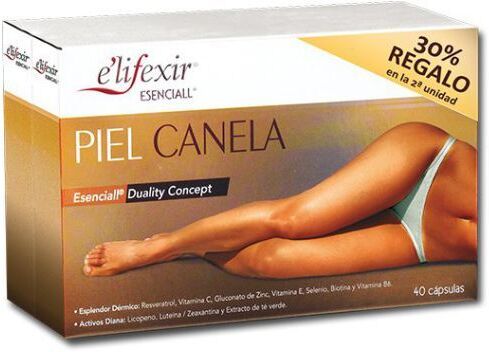
E'lifexir Essential Cinnamon Skin Savings PackageNutrition and Supplements Special supplements E'lifexir Essential Cinnamon Skin Savings Package Nutricosmetic sunscreen to protect skin and eyes. Nutritional complement that prepares the skin for exposure to the sun, promotes a more intense and long-lasting tan and strengthens the skin's defences. Provides antioxidant properties and protects the skin from UV radiation. Results: - Uniform and luminous tan - Eye protection - More elastic and protected skin How to use: Take one capsule a day.33,31 £*Shipping: 3,99 £Secure redirect to the provider
-
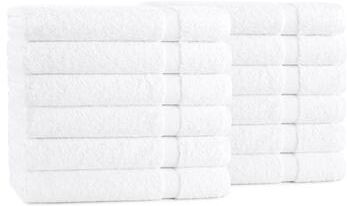
Arkwright Home Admiral Bath Towels - Economical White Cotton/Poly Blend - 12 PackOur foundational institutional towel collection, the Admiral, is a value line of bath towels, bath mats, and pool towels made with an 86/14 cotton/polyester blend yarn.119,99 $*Shipping: 0,00 $Secure redirect to the provider

-
Why do steroids belong to lipids?
Steroids belong to lipids because they are a type of lipid molecule that is composed of four fused carbon rings. While they do not have fatty acids like other lipids, steroids share similar properties such as being hydrophobic and insoluble in water. Additionally, steroids play important roles in cell membrane structure, hormone production, and signaling pathways, making them a unique subclass of lipids. **
-
What is the structure of lipids?
Lipids are structurally diverse molecules, but they all share a common feature of being hydrophobic, or water-repellent. The basic structure of lipids consists of a glycerol molecule linked to fatty acid chains. These fatty acid chains can vary in length and saturation, leading to different types of lipids such as triglycerides, phospholipids, and sterols. The hydrophobic nature of lipids allows them to form cell membranes, store energy, and act as signaling molecules in the body. **
-
Why are lipids not considered a biopolymer?
Lipids are not considered a biopolymer because they are not composed of repeating monomeric units like proteins, nucleic acids, and carbohydrates. Biopolymers are large molecules made up of smaller, repeating subunits, whereas lipids are composed of fatty acids and glycerol, and do not have a repeating structure. Additionally, lipids are not typically involved in the same types of biological functions as biopolymers, such as encoding genetic information or serving as structural components of cells. Therefore, lipids are not classified as biopolymers. **
-
How do you draw fatty acids and lipids?
To draw fatty acids, you can start by drawing a long chain of carbon atoms with a carboxylic acid group (-COOH) at one end. Then, you can add hydrogen atoms to the carbon chain to satisfy their valency. For lipids, you can draw a glycerol molecule with three carbon atoms, each bonded to a hydroxyl group (-OH). Then, you can attach fatty acid chains to each of the three carbon atoms in the glycerol molecule to represent a triglyceride. Remember to include double bonds in the fatty acid chains if they are unsaturated. **


What are the similarities between proteins, carbohydrates, and lipids?
Proteins, carbohydrates, and lipids are all macronutrients that provide energy to the body. They are all essential for various biological functions and are made up of carbon, hydrogen, and oxygen atoms. Additionally, they are all organic compounds that play a crucial role in maintaining overall health and well-being. Despite their differences in structure and functions, proteins, carbohydrates, and lipids are all vital components of a balanced diet. **
Why do membrane lipids cause an increase in surface area?
Membrane lipids cause an increase in surface area because they are amphipathic molecules, meaning they have both hydrophilic and hydrophobic regions. When these lipids come together to form a bilayer, the hydrophobic tails cluster together to avoid contact with water, while the hydrophilic heads interact with the surrounding aqueous environment. This arrangement results in the formation of a larger surface area compared to the individual lipid molecules, allowing for the formation of a stable and flexible barrier that can enclose the contents of a cell or organelle. **
Top-Angebote
Products related to Lipids:
-
The Ordinary Rice Lipids + Ectoin Microemulsion Ultra-Light Texture 60mLA facial cream for dry or dehydrated skin. Rice Lipids + Ectoin Microemulsion is an ultra-lightweight moisturizer designed to deliver 24-hour soothing hydration and promote translucent-looking, radiant skin. This innovative formula combines the benefits of rice lipids and ectoin to effectively combat dryness and support the skin barrier, ensuring a smooth and hydrated complexion.15,32 £*Shipping: 5,16 £Secure redirect to the provider
-
E'lifexir Essential Cinnamon Skin Savings PackageNutrition and Supplements Special supplements E'lifexir Essential Cinnamon Skin Savings Package Nutricosmetic sunscreen to protect skin and eyes. Nutritional complement that prepares the skin for exposure to the sun, promotes a more intense and long-lasting tan and strengthens the skin's defences. Provides antioxidant properties and protects the skin from UV radiation. Results: - Uniform and luminous tan - Eye protection - More elastic and protected skin How to use: Take one capsule a day.33,31 £*Shipping: 3,99 £Secure redirect to the provider
-
What are lipids in biology?
Lipids are a diverse group of organic molecules that are insoluble in water but soluble in nonpolar solvents. They serve various functions in living organisms, such as energy storage, structural components of cell membranes, and signaling molecules. Common examples of lipids include fats, oils, phospholipids, and steroids. Lipids play a crucial role in maintaining the structure and function of cells and are essential for various biological processes. **
-
What are lipids in chemistry?
Lipids are a diverse group of organic molecules that are insoluble in water but soluble in nonpolar solvents. They are an essential component of living cells and play a variety of roles in the body, including energy storage, insulation, and cell membrane structure. Lipids include fats, oils, phospholipids, and steroids, and are characterized by their hydrophobic nature due to their long hydrocarbon chains. **
-
Why do steroids belong to lipids?
Steroids belong to lipids because they are a type of lipid molecule that is composed of four fused carbon rings. While they do not have fatty acids like other lipids, steroids share similar properties such as being hydrophobic and insoluble in water. Additionally, steroids play important roles in cell membrane structure, hormone production, and signaling pathways, making them a unique subclass of lipids. **
-
What is the structure of lipids?
Lipids are structurally diverse molecules, but they all share a common feature of being hydrophobic, or water-repellent. The basic structure of lipids consists of a glycerol molecule linked to fatty acid chains. These fatty acid chains can vary in length and saturation, leading to different types of lipids such as triglycerides, phospholipids, and sterols. The hydrophobic nature of lipids allows them to form cell membranes, store energy, and act as signaling molecules in the body. **
Similar search terms for Lipids
-
Arkwright Home Admiral Bath Towels - Economical White Cotton/Poly Blend - 12 PackOur foundational institutional towel collection, the Admiral, is a value line of bath towels, bath mats, and pool towels made with an 86/14 cotton/polyester blend yarn.119,99 $*Shipping: 0,00 $Secure redirect to the provider
-
Scholastic Bargain Book Box Grades K-1 (100 Books)A box of books at the best price! Take advantage of inventory conditions that leave some of our books without a permanent home. The list of titles in this collection will change depending on availability. A super way to save money and send every...235,00 $*Shipping: 0,00 $Secure redirect to the provider
-
The Rose Bargain Series 2 Books Collection Set by Sasha Peyton Smith - FictionTitles in This Set:. The Rose Bargain. The Thorn Queen[Hardcover]. Condition:BRAND NEW. Format:Mixedlot. ISBN:9789124022310. Overview:. The Rose Bargain Series brings two immersive romantasy novels from Sasha Peyton Smith into one irresistible collection. The Rose Bargain (Book 1) ladles readers into a London of velvet balls, dangerous bargains, and fae-driven intrigue. Set in 1848, England is ruled by an immortal fae queen who grants one chance to bargain for a deepest desire. Ivy Benton signs her name in blood to enter a competition for Prince Bram’s hand, navigating society’s expectations, rivalries, and a dangerous attraction to Bram’s enigmatic brother, Emmett. The blend of lush, historically tinged detail with magical politics and razor-sharp romance creates a page-turning experience for fans of romantasy and YA fantasy. The Thorn Queen (Book 2) continues the journey, widening the world and heightening the danger while preserving the distinctive voice that defined the first title. Together, this two-book collection offers a complete reading arc in one premium package—perfect for readers who crave sweeping romance, clever world-building, and a touch of enchantment in their fiction.. What Makes This Collection Special:. This two-book set is built for readers who want a full romantasy journey without juggling multiple volumes. Both titles share a lyrical, period-rooted atmosphere and a London-bright backdrop where courtly intrigue meets magical bargains. The Rose Bargain introduces a heroically witty heroine navigating debut season and dangerous love triangles; The Thorn Queen deepens the magic, politics, and emotional stakes, delivering a satisfying arc in a single, collectible package. For gift buyers and collectors, the matched design and cohesive tone provide instant shelf appeal and a ready-made reading stack for weekend binge sessions. Sasha Peyton Smith’s distinctive voice, backed by her status as a New York Times bestselling author, anchors an escapist fantasy with emotional honesty, making this set feel premium, complete, and highly desirable.. Books Included in This Collection:. The Rose Bargain. The Rose Bargain sweeps readers into a glittering, perilous London of 1848 where ambition and desire collide. Ivy Benton is poised for debut season, a heroine whose wit and resolve drive her through a web of social pressure, rivalries, and risk-taking romance. The tale pivots around a perilous bargain at the heart of the fae-ruled court, weaving political tension with intimate moments that sting and then soothe. Smith’s voice blends lush historical texture with modern sensitivity, delivering a romance that feels both relatable and fantastical, with vivid characters and an atmosphere that lingers long after the final page.. The Thorn Queen. The Thorn Queen is the companion title in this two-book collection, continuing the romantasy journey with the same lush setting and heightened stakes. Details of the plot aren’t listed here, but readers...18,99 £*Shipping: 2,99 £Secure redirect to the provider
-
Why are lipids not considered a biopolymer?
Lipids are not considered a biopolymer because they are not composed of repeating monomeric units like proteins, nucleic acids, and carbohydrates. Biopolymers are large molecules made up of smaller, repeating subunits, whereas lipids are composed of fatty acids and glycerol, and do not have a repeating structure. Additionally, lipids are not typically involved in the same types of biological functions as biopolymers, such as encoding genetic information or serving as structural components of cells. Therefore, lipids are not classified as biopolymers. **
-
How do you draw fatty acids and lipids?
To draw fatty acids, you can start by drawing a long chain of carbon atoms with a carboxylic acid group (-COOH) at one end. Then, you can add hydrogen atoms to the carbon chain to satisfy their valency. For lipids, you can draw a glycerol molecule with three carbon atoms, each bonded to a hydroxyl group (-OH). Then, you can attach fatty acid chains to each of the three carbon atoms in the glycerol molecule to represent a triglyceride. Remember to include double bonds in the fatty acid chains if they are unsaturated. **
-
What are the similarities between proteins, carbohydrates, and lipids?
Proteins, carbohydrates, and lipids are all macronutrients that provide energy to the body. They are all essential for various biological functions and are made up of carbon, hydrogen, and oxygen atoms. Additionally, they are all organic compounds that play a crucial role in maintaining overall health and well-being. Despite their differences in structure and functions, proteins, carbohydrates, and lipids are all vital components of a balanced diet. **
-
Why do membrane lipids cause an increase in surface area?
Membrane lipids cause an increase in surface area because they are amphipathic molecules, meaning they have both hydrophilic and hydrophobic regions. When these lipids come together to form a bilayer, the hydrophobic tails cluster together to avoid contact with water, while the hydrophilic heads interact with the surrounding aqueous environment. This arrangement results in the formation of a larger surface area compared to the individual lipid molecules, allowing for the formation of a stable and flexible barrier that can enclose the contents of a cell or organelle. **
* All prices are inclusive of VAT and, if applicable, plus shipping costs. The offer information is based on the details provided by the respective shop and is updated through automated processes. Real-time updates do not occur, so deviations can occur in individual cases. ** Note: Parts of this content were created by AI.